

What is Origin Based Rating (OBR) in Telecom?
Introduction to Origin Based Rating
Origin Based Rating (OBR) is a billing mechanism in the telecom industry that adjusts call rates based on the origin of the call. This approach can significantly influence how telecom service providers set their pricing strategies, affecting both consumers and businesses globally.
How OBR Works
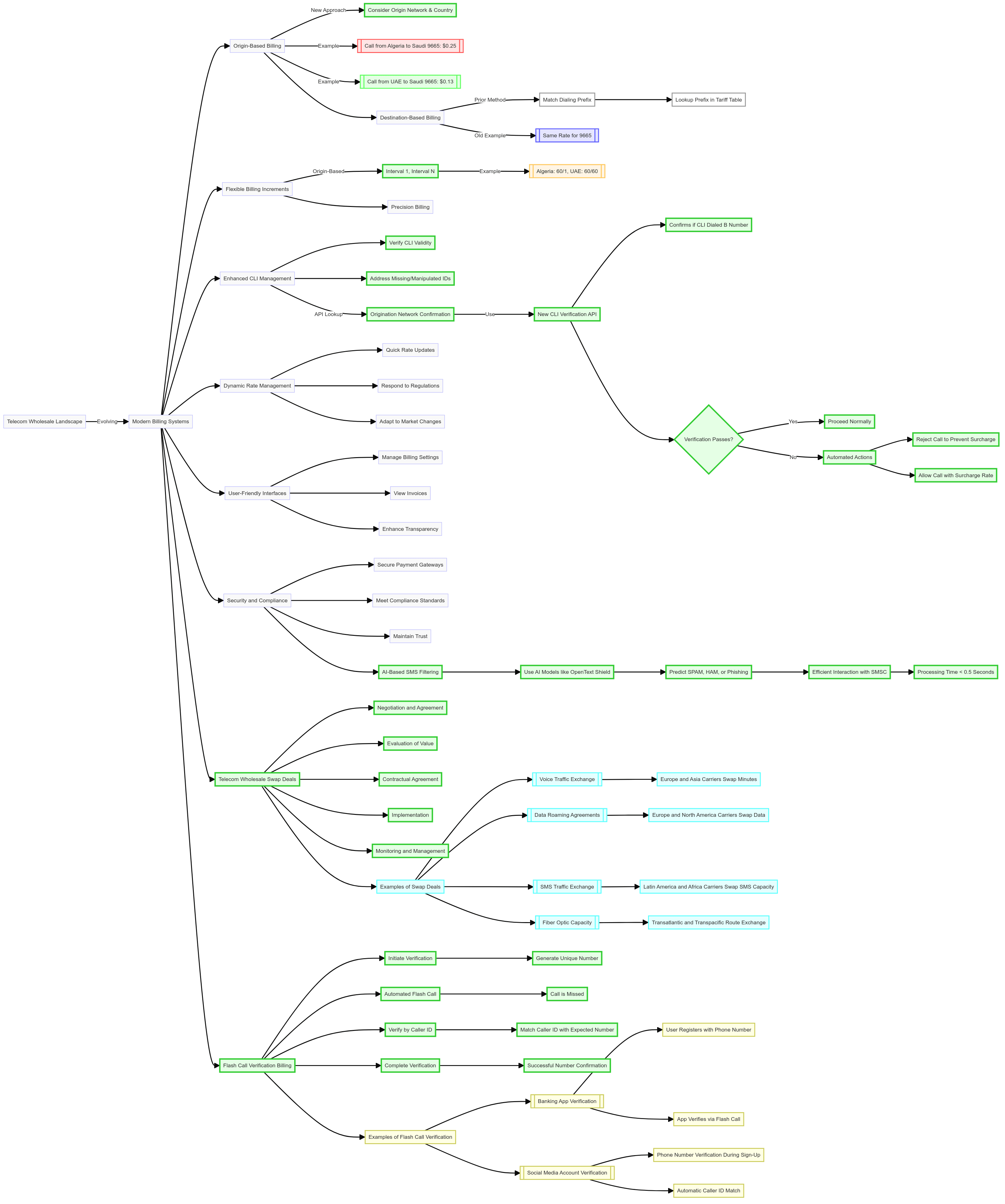
Historically, billing was a straightforward process based on the destination number, but that model is becoming obsolete. The modern approach focuses on origin-based billing, where the originating network and country dictate rates. This paradigm shift requires telecom operators to revamp their billing systems for compliance and accuracy. Consider the nuanced differences in billing a call from Algeria to Saudi Arabia versus a call from the UAE to Saudi Arabia; the strategic value is in the details.
In 2024, telecom wholesale billing should be designed like this:
Dynamic Billing Increments
Flexibility is not just a buzzword; it’s a necessity. By implementing diverse billing increments, such as 60/1 and 60/60 seconds based on the origin network towards the same destination dial code, telecoms can meet specific origination requirements and improve billing precision. This adaptability is crucial for addressing varying network conditions and customer expectations.
Enhanced CLI Management
As the sophistication of call data processing increases, so does the need for robust CLI management. Verifying CLI validity and addressing issues with missing or manipulated identifiers is now paramount. The introduction of new CLI verification APIs provides a solution, confirming whether a CLI actually dialed the B number. This allows operators to make informed decisions, such as rejecting calls to prevent surcharges or applying them as necessary.
Dynamic Rate Management
In an industry where change is constant, the ability to quickly update rates and billing policies is vital. Dynamic rate management empowers telecom operators to stay competitive and compliant amid shifting regulatory landscapes and market dynamics.
Impact on Telecom Services
The implementation of OBR can lead to varied pricing models that might benefit or disadvantage certain user groups. Understanding this impact is crucial for subscribers and service providers alike, as it directly affects billing transparency and cost management.
Key Points to Remember:
- OBR helps in adjusting call rates based on the call’s origin.
- It affects pricing strategies and service accessibility.
The Need for Cost-Effective Solutions in OBR
Challenges Posed by OBR
While OBR aims to streamline telecom operations, it also presents challenges like regulatory compliance, pricing complexity, and potential customer dissatisfaction due to unpredictable costs. These challenges underscore the need for solutions that are both effective and economical.
Exploring Cost-Effective Solutions
Telecom companies can leverage advanced analytics and automated systems to manage the complexities of OBR. Implementing intelligent routing systems that automatically adjust to the most cost-effective routes can also help mitigate high OBR charges.
Benefits of Implementing Affordable OBR Solutions
Adopting cost-effective OBR solutions can lead to:
- Increased Transparency: Clearer pricing models that enhance customer trust and satisfaction.
- Regulatory Compliance: Easier adherence to global telecom regulations.
- Cost Reduction: Lower operational costs that can be passed on to customers.
- STOP Unexpected suppliers bills
- STOP Incorrect customer billing
Implementing robust and transparent OBR practices not only enhances operational efficiency but also fosters long-term customer loyalty.
How OBR works on TelecomsXchange
Updated 23 November 2026: origin-based rating is now live for voice routes on TelecomsXchange. A seller can charge a different price for the same destination depending on the caller ID (CLI) origin of each call.
- Sellers switch on OBR per route, then add OBR rates on a form or upload them in a CSV file with a CLI Prefix column. They can set prices for any other origin and for invalid or unknown caller IDs, and mark an origin Forbidden to refuse its calls. Buyers are emailed whenever OBR rates change.
- Buyers see an OBR badge in Market View with the rates per CLI prefix, get the OBR rates at purchase and in the rate sheet, and can see in Logs → CDR (Voice) which calls were billed with an OBR rate.
A matching OBR rate replaces the route's normal rate for that call. Calls that match no OBR rate are billed at the normal rate. Sellers no longer need to publish their highest origin rate for the whole destination.
Read the announcement, Price calls by caller origin: OBR is live on TelecomsXchange, or go straight to the step-by-step guides: Price calls by caller origin (OBR) for sellers and Buy origin-based (OBR) routes for buyers.
Explore the TCXC Marketplace →
Sell voice routes with origin-based rates, or find OBR routes in Market View.
Are you looking to better understand how OBR impacts your telecom expenses? Contact us today